
OCD-INH00-XXXXX-T300-PRL Incremental rotary encoder
Incremental encoder, 30 mm shaft, 100 mm flange, M23, IP65
Incremental encoder, 30 mm shaft, 100 mm flange, M23, IP65
Incremental encoders output a pulse train as the shaft rotates and are used to measure speed, direction of rotation and relative position. SCN supplies incremental rotary encoders from Posital in the UCD and OCD model families, available with different outputs and connection options. They are used in industrial automation, machine building, drive systems and mobile machinery. Our engineers help you choose the right pulse count, output stage, shaft design and connector for your application.
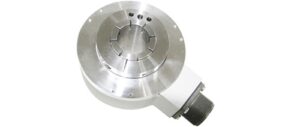
Incremental encoder, 30 mm shaft, 100 mm flange, M23, IP65
Incremental encoder, 30 mm shaft, 100 mm flange, M23, IP65
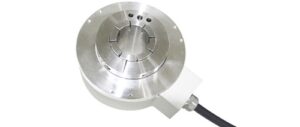
Incremental encoder, 42 mm shaft, 100 mm flange, cable, IP65
Incremental encoder, 42 mm shaft, 100 mm flange, cable, IP65
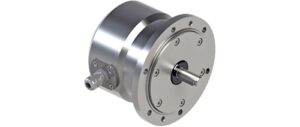
Stainless incremental encoder, 11 mm shaft, 115 mm flange
Stainless incremental encoder, 11 mm shaft, 115 mm flange
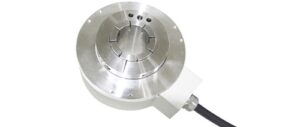
Incremental encoder, 30 mm shaft, 100 mm flange, cable, IP65
Incremental encoder, 30 mm shaft, 100 mm flange, cable, IP65
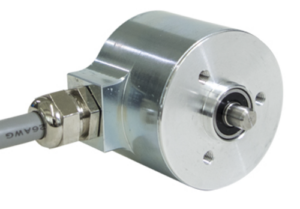
Incremental encoder, 5 mm shaft, 37 mm flange, 1–16384 PPR
Incremental encoder, 5 mm shaft, 37 mm flange, 1–16384 PPR
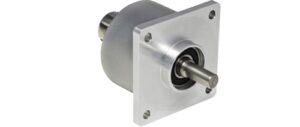
Incremental encoder, 9.52 mm shaft, 66.7 mm flange, M23
Incremental encoder, 9.52 mm shaft, 66.7 mm flange, M23
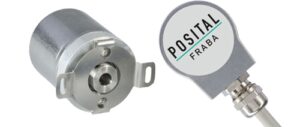
Incremental encoder, 12.7 mm shaft, 36 mm flange, cable
Incremental encoder, 12.7 mm shaft, 36 mm flange, cable
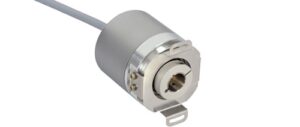
Incremental encoder, 15.9 mm shaft, 58 mm flange, cable
Incremental encoder, 15.9 mm shaft, 58 mm flange, cable
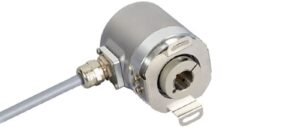
Incremental encoder, 15.9 mm shaft, 58 mm flange, cable
Incremental encoder, 15.9 mm shaft, 58 mm flange, cable
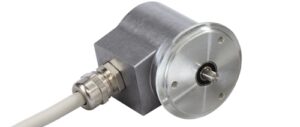
Incremental encoder, 6 mm shaft, 58 mm flange, cable, IP65
Incremental encoder, 6 mm shaft, 58 mm flange, cable, IP65
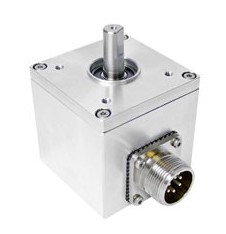
Incremental encoder, 9.52 mm shaft, 57.15 mm square flange
Incremental encoder, 9.52 mm shaft, 57.15 mm square flange
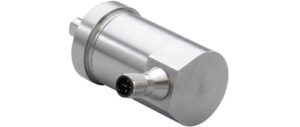
Stainless incremental encoder, 10 mm shaft, 42 mm flange
Stainless incremental encoder, 10 mm shaft, 42 mm flange
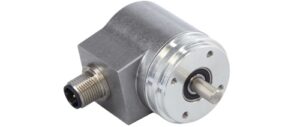
Incremental encoder, 6 mm shaft, 36 mm flange, M12, IP65
Incremental encoder, 6 mm shaft, 36 mm flange, M12, IP65
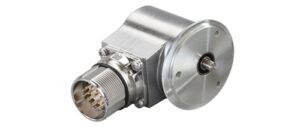
Incremental encoder, 6 mm shaft, 58 mm flange, MS connector
Incremental encoder, 6 mm shaft, 58 mm flange, MS connector
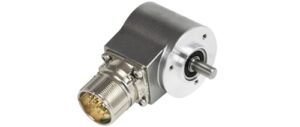
Incremental encoder, 8 mm shaft, 40 mm flange, M23, IP65
Incremental encoder, 8 mm shaft, 40 mm flange, M23, IP65
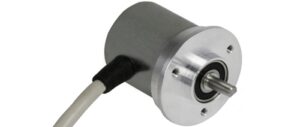
Incremental encoder, 8 mm shaft, 50 mm flange, cable, IP65
Incremental encoder, 8 mm shaft, 50 mm flange, cable, IP65
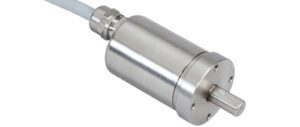
Stainless incremental encoder, 10 mm shaft, 42 mm flange
Stainless incremental encoder, 10 mm shaft, 42 mm flange
An incremental rotary encoder gives a series of pulses as the shaft turns. By counting the pulses, a PLC, a counter or a drive knows how far and in which direction the shaft has moved and how fast it rotates. Incremental encoders are used for speed feedback on motors, conveyor and roller tracking, cut-to-length, printing and packaging machines and any axis that is referenced at start-up. SCN supplies incremental encoders from Posital: magnetic IXARC encoders in the UCD family, which are programmable, and optical encoders in the OCD family.
The range covers solid and hollow shaft versions, different flanges, cable or connector outputs and HTL (push-pull) or TTL (RS422) signals. If the position must be known immediately at power-on without a reference run, choose absolute rotary encoders instead. For straight-line motion, see incremental linear position sensors. All sensor types are found under Sensors.
How to choose: start with the number of pulses per revolution (PPR) the application needs and the signal level your input card accepts. Then select shaft or hollow shaft and diameter, flange, connection, IP rating and temperature range. With a programmable encoder, one model can cover many PPR values.
An optical or magnetic sensing system produces two pulse trains, A and B, shifted 90 degrees from each other. The number of pulses shows the distance moved, the frequency shows the speed, and whether A or B comes first shows the direction. Many encoders also have a Z index pulse once per revolution, used as a reference point.
Choose an incremental encoder for speed measurement and relative position, where a reference run at start-up is acceptable. Choose an absolute encoder when the exact position must be known immediately after power-on or after a power failure, for example on cranes, robots and positioning axes. Absolute encoders also send position over fieldbuses such as CANopen or PROFINET.
HTL (push-pull) switches at the supply voltage, typically 10–30 V, and suits PLC inputs and long cables in noisy environments. TTL to RS422 uses 5 V differential signals and suits high pulse frequencies and drives or counter cards with RS422 inputs. Check what your input accepts before ordering.
Divide the required resolution into the movement per revolution. If a roller with 300 mm circumference must be measured to 0.1 mm, you need at least 3,000 pulses per revolution, or 750 if all four edges of A and B are counted. Also check that the maximum pulse frequency at top speed stays within the input's limit.
Not sure which model you need?
Get help choosingFacts and advice that make the choice easier.
Absolute vs incremental encoder – how to chooseIP ratings explained – IP65, IP67, IP68 and IP69KAll guides
If you have questions about our products the AI-assistant can help guide you to what you are searching for.


