
MLC Magnetic Linear Incremental Encoder
Magnetic linear encoder 50–800 mm, 2.5 µm resolution
Magnetic linear encoder 50–800 mm, 2.5 µm resolution
Incremental linear position sensors measure linear movement using a magnetic tape and a reading head that outputs pulses. SCN supplies magnetic linear incremental encoders from Opkon in the MLC, MLCS, MLI, MLIP and MPS series, together with MT2 and MT5 magnetic tape and MP1 and MP2 aluminium profiles for mounting the tape. They are used in machine building, positioning axes, woodworking and metalworking machinery and industrial automation. Our engineers help you choose the right sensor head, magnetic tape, resolution and output signal for your application.
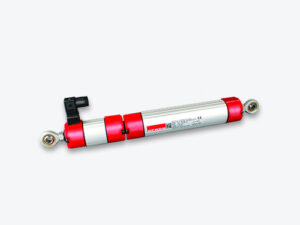
Magnetic linear encoder 50–800 mm, 2.5 µm resolution
Magnetic linear encoder 50–800 mm, 2.5 µm resolution
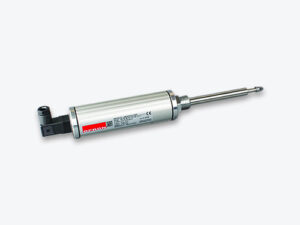
Spring-loaded magnetic linear encoder, 15 mm stroke
Spring-loaded magnetic linear encoder, 15 mm stroke
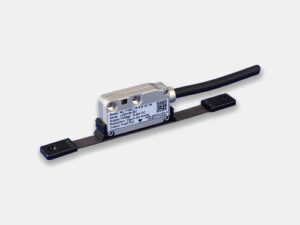
Magnetic linear encoder, 2.5–25 µm resolution, IP66
Magnetic linear encoder, 2.5–25 µm resolution, IP66
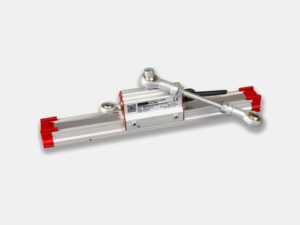
Magnetic linear encoder up to 50 m, multiple read heads
Magnetic linear encoder up to 50 m, multiple read heads
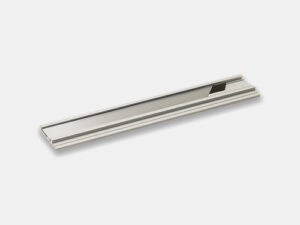
Low aluminium profile, 37 mm wide, 5.5 mm high
Low aluminium profile, 37 mm wide, 5.5 mm high
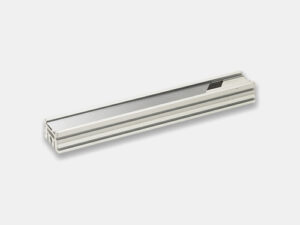
High aluminium profile, 63 mm wide, 28 mm high
High aluminium profile, 63 mm wide, 28 mm high
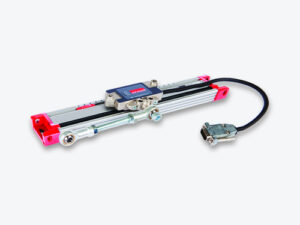
Magnetic linear encoder 150–2000 mm, ±15 µm accuracy
Magnetic linear encoder 150–2000 mm, ±15 µm accuracy
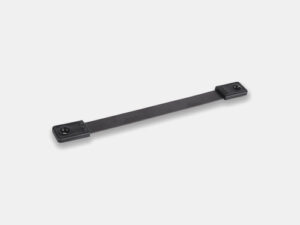
Self-adhesive magnetic tape, 2 mm pole pitch, IP67
Self-adhesive magnetic tape, 2 mm pole pitch, IP67
Self-adhesive magnetic tape, 5 mm pole pitch, IP67
Self-adhesive magnetic tape, 5 mm pole pitch, IP67
Facts and advice that make the choice easier.
IP ratings explained – IP65, IP67, IP68 and IP69KAll guides
If you have questions about our products the AI-assistant can help guide you to what you are searching for.


