
AE1/AP-1A Inductive sensor
M8 inductive sensor, 1.5 mm, flush, NO, cable
M8 inductive sensor, 1.5 mm, flush, NO, cable
Inductive sensors detect metal objects without contact using an electromagnetic field and are used as limit switches and for position and presence detection. SCN supplies inductive sensors in a wide range of variants, including the AE1, AK1, AM1 and AT1 types as well as VK2, VM2 and VT2. They are used in industrial automation, machine building and conveyor systems. Our engineers help you choose the right housing size, sensing distance, output type and connection for your application.
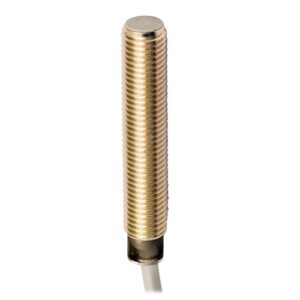
M8 inductive sensor, 1.5 mm, flush, NO, cable
M8 inductive sensor, 1.5 mm, flush, NO, cable
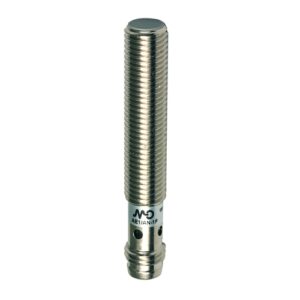
M8 inductive sensor, 1.5 mm, flush, NO, M8 connector
M8 inductive sensor, 1.5 mm, flush, NO, M8 connector
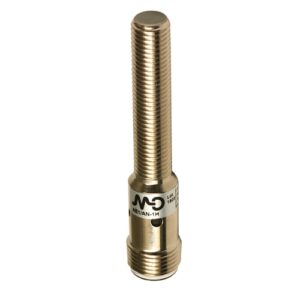
M8 inductive sensor, 1.5 mm, flush, NO, M12 connector
M8 inductive sensor, 1.5 mm, flush, NO, M12 connector
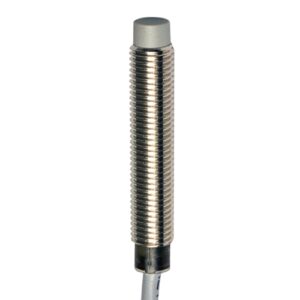
M8 inductive sensor, 2.5 mm, non-flush, NO, cable
M8 inductive sensor, 2.5 mm, non-flush, NO, cable
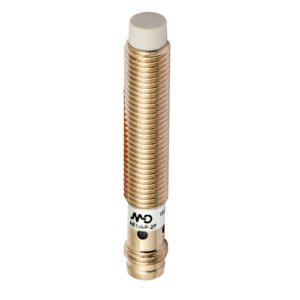
M8 inductive sensor, 2.5 mm, non-flush, NO, M8 connector
M8 inductive sensor, 2.5 mm, non-flush, NO, M8 connector
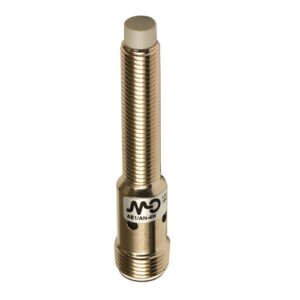
M8 inductive sensor, 2.5 mm, non-flush, NO, M12 connector
M8 inductive sensor, 2.5 mm, non-flush, NO, M12 connector
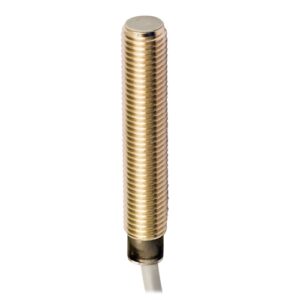
M8 inductive sensor, 2 mm, flush, NO, cable
M8 inductive sensor, 2 mm, flush, NO, cable
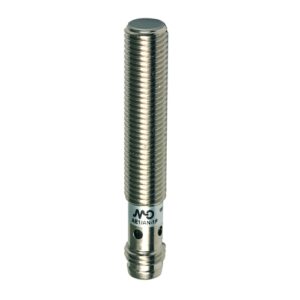
M8 inductive sensor, 2 mm, flush, NO, M8 connector
M8 inductive sensor, 2 mm, flush, NO, M8 connector
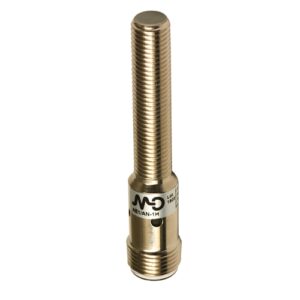
M8 inductive sensor, 2 mm, flush, NO, M12 connector
M8 inductive sensor, 2 mm, flush, NO, M12 connector
M8 inductive sensor, 4 mm, non-flush, NO, cable
M8 inductive sensor, 4 mm, non-flush, NO, cable
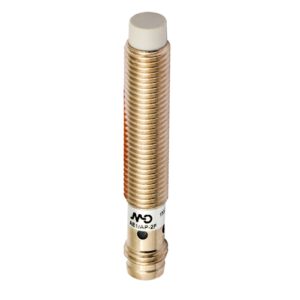
M8 inductive sensor, 4 mm, non-flush, NO, M8 connector
M8 inductive sensor, 4 mm, non-flush, NO, M8 connector
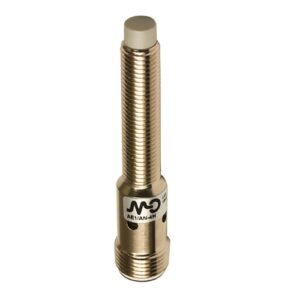
M8 inductive sensor, 4 mm, non-flush, NO, M12 connector
M8 inductive sensor, 4 mm, non-flush, NO, M12 connector
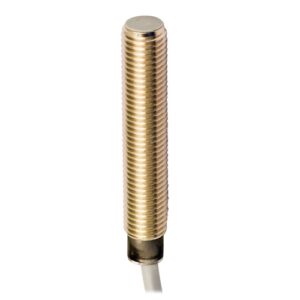
M8 inductive sensor, 1.5 mm, flush, NC, cable
M8 inductive sensor, 1.5 mm, flush, NC, cable
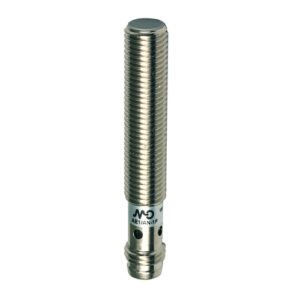
M8 inductive sensor, 1.5 mm, flush, NC, M8 connector
M8 inductive sensor, 1.5 mm, flush, NC, M8 connector
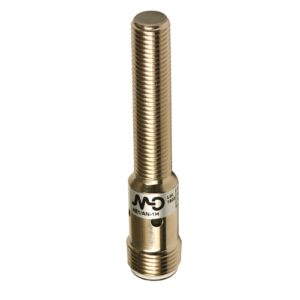
M8 inductive sensor, 1.5 mm, flush, NC, M12 connector
M8 inductive sensor, 1.5 mm, flush, NC, M12 connector
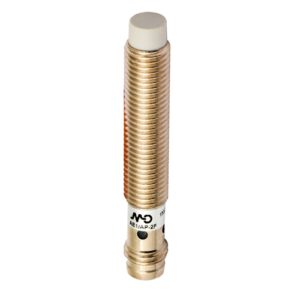
M8 inductive sensor, 2.5 mm, non-flush, NC, M8 connector
M8 inductive sensor, 2.5 mm, non-flush, NC, M8 connector
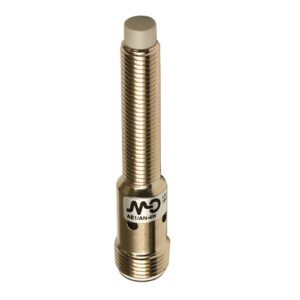
M8 inductive sensor, 2.5 mm, non-flush, NC, M12 connector
M8 inductive sensor, 2.5 mm, non-flush, NC, M12 connector
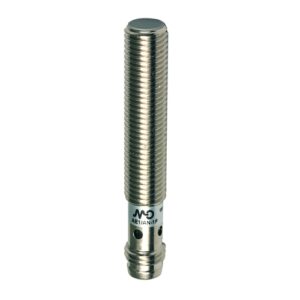
M8 inductive sensor, 2 mm, flush, NC, M8 connector
M8 inductive sensor, 2 mm, flush, NC, M8 connector
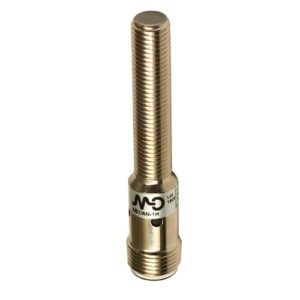
M8 inductive sensor, 2 mm, flush, NC, M12 connector
M8 inductive sensor, 2 mm, flush, NC, M12 connector
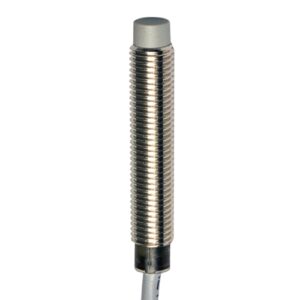
M8 inductive sensor, 4 mm, non-flush, NC, cable
M8 inductive sensor, 4 mm, non-flush, NC, cable
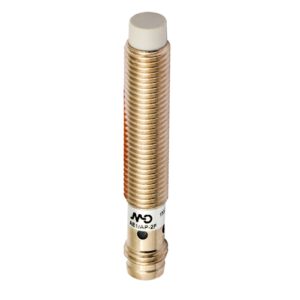
M8 inductive sensor, 4 mm, non-flush, NC, M8 connector
M8 inductive sensor, 4 mm, non-flush, NC, M8 connector
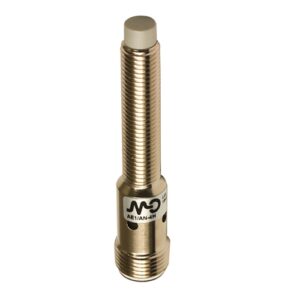
M8 inductive sensor, 4 mm, non-flush, NC, M12 connector
M8 inductive sensor, 4 mm, non-flush, NC, M12 connector
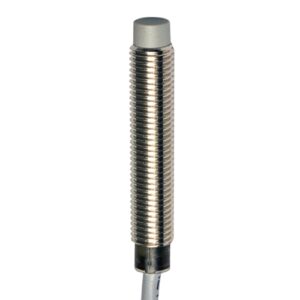
M8 inductive sensor, 2.5 mm, non-flush, NC, cable
M8 inductive sensor, 2.5 mm, non-flush, NC, cable
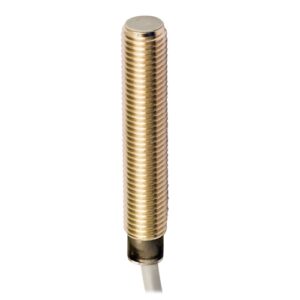
M8 inductive sensor, 2 mm, flush, NC, cable
M8 inductive sensor, 2 mm, flush, NC, cable
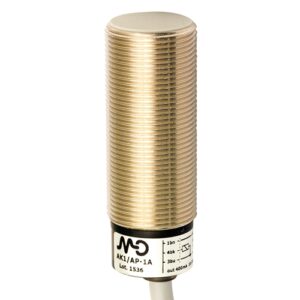
M18 inductive sensor, 5 mm, flush, NO, cable
M18 inductive sensor, 5 mm, flush, NO, cable
An inductive sensor, or inductive proximity sensor, detects metal objects without contact. It is used as a wear-free limit switch and for position, presence and speed detection on machines, conveyors, robots and mobile equipment. With no moving parts it keeps working in dirt, oil and vibration. SCN supplies inductive sensors from Wenglor, sensors in the AE1, AK1, AM1, AT1, VK2, VM2 and VT2 series, and P-Prox sensors in PEEK from Petercem for extreme temperatures.
The range covers cylindrical housings from M8 to M30 as well as cubic and miniature formats, flush and non-flush mounting, and sensing distances from 1.5 mm up to 30 mm. Outputs include PNP and NPN, NO and NC, analog 0–10 V and IO-Link. There are stainless steel versions with IP69K for washdown, weld-field immune models and sensors with a separate evaluation unit for hot environments. For longer distances or non-metallic objects, see photoelectric sensors; for detecting magnets, see Hall effect sensors. All sensor types are listed under Sensors.
How to choose: start with the housing size and sensing distance, and whether the sensor will be mounted flush in metal. Then choose the output (PNP or NPN, NO or NC, analog or IO-Link) and the connection (cable or M8/M12 connector), and check the IP rating and temperature range.
An inductive sensor generates a high-frequency electromagnetic field at its sensing face. When a metal object enters the field, eddy currents are induced in it and dampen the oscillator; the electronics detect the change and switch the output. Because only metal affects the field, the sensor ignores plastic, wood and liquids, and it works without contact or wear.
Choose the output that matches the input card of your PLC. PNP switches the positive supply and is the standard in Europe, while NPN switches to 0 V and is common on Asian machines. A 3-wire sensor has separate supply and signal wires; a 2-wire sensor is connected in series with the load, like a mechanical switch. NO or NC decides whether the output is on or off when metal is present.
An inductive sensor detects only metal, while a capacitive sensor reacts to almost any material, including plastic, glass, liquids and granulates. Inductive sensors are therefore the robust choice for metal parts, cams and gear teeth, and dirt or water on the sensing face does not trigger them. Capacitive sensors are typically used for level detection through a container wall.
The sensing distance grows with the diameter: typically 1.5–2 mm for M8, 2–4 mm for M12, 5–8 mm for M18 and 10–15 mm for M30 when mounted flush, and more for non-flush and long-range models. The rated distance applies to steel; aluminium and copper usually reduce it. Plan for an operating distance of about 80 % of the rated value.
Not sure which model you need?
Get help choosingFacts and advice that make the choice easier.
Inductive proximity sensors – how they work and how to chooseIP ratings explained – IP65, IP67, IP68 and IP69KAll guides
If you have questions about our products the AI-assistant can help guide you to what you are searching for.


