
CP35MHT80 High performance distance sensor
Laser distance 50–350 mm with analog output and RS232
Laser distance 50–350 mm with analog output and RS232
Photoelectric sensors detect objects, positions and distances without contact using light. SCN supplies photoelectric sensors from Wenglor, including retro-reflex sensors such as P1EL and P2KL, through-beam sensors such as P1KE, laser sensors such as P3PC, fibre-optic amplifiers in the P1XD series and high-performance distance sensors such as CP35MHT80. They are used in industrial automation, packaging, material handling and machine building. Our engineers help you choose the right sensing principle, range, light type and output for your application.
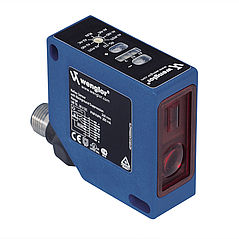
Laser distance 50–350 mm with analog output and RS232
Laser distance 50–350 mm with analog output and RS232
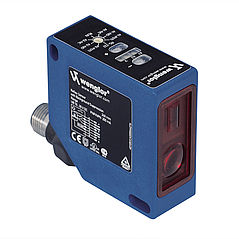
Laser distance 60–660 mm with RS232 and two outputs
Laser distance 60–660 mm with RS232 and two outputs
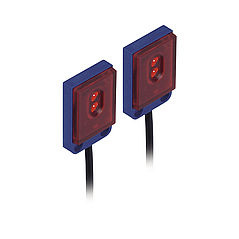
Compact through-beam sensor, 1 m, with cable, NC/NO
Compact through-beam sensor, 1 m, with cable, NC/NO
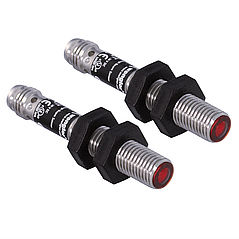
Stainless M8 through-beam sensor, 1.5 m range
Stainless M8 through-beam sensor, 1.5 m range
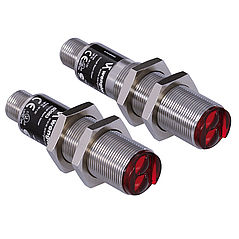
Rugged M18 through-beam for dirty environments, 10 m
Rugged M18 through-beam for dirty environments, 10 m
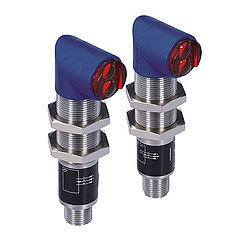
Stainless M18 through-beam sensor, 10 m and IO-Link
Stainless M18 through-beam sensor, 10 m and IO-Link
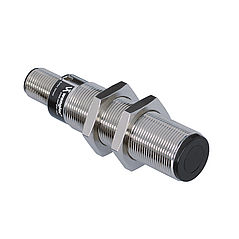
Fine-focus M18 sensor 30 mm, ignores background
Fine-focus M18 sensor 30 mm, ignores background
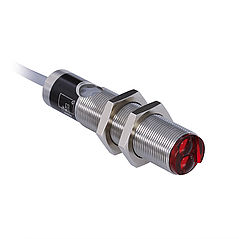
Analog M18 distance sensor 35–85 mm, 0–10 V
Analog M18 distance sensor 35–85 mm, 0–10 V
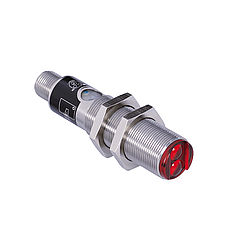
Stainless M18 sensor, 120 mm, RS232 and NC/NO
Stainless M18 sensor, 120 mm, RS232 and NC/NO
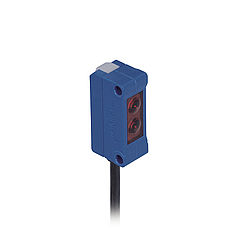
Compact 120 mm sensor with background suppression
Compact 120 mm sensor with background suppression
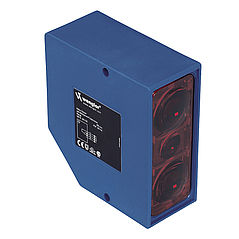
Analog and digital window output, 350–850 mm
Analog and digital window output, 350–850 mm
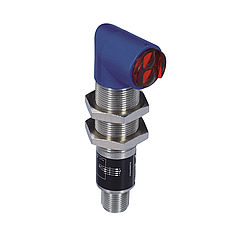
M18 sensor with background suppression, 120 mm
M18 sensor with background suppression, 120 mm
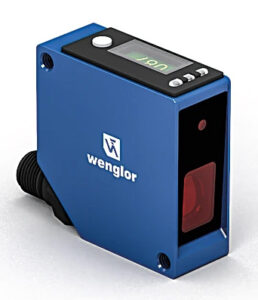
Laser distance 60–660 mm with TripleA precision
Laser distance 60–660 mm with TripleA precision
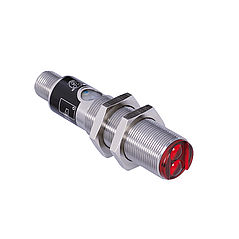
Stainless M18 retro-reflex sensor, 6 m, polarizing filter
Stainless M18 retro-reflex sensor, 6 m, polarizing filter
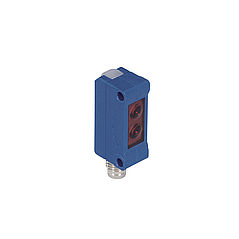
Mini retro-reflex sensor, 4.5 m, polarizing filter, M8
Mini retro-reflex sensor, 4.5 m, polarizing filter, M8
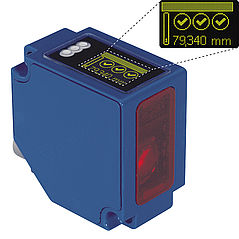
Distance sensor 40–160 mm with EtherNet/IP and PoE
Distance sensor 40–160 mm with EtherNet/IP and PoE
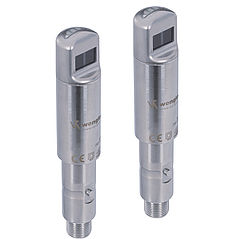
Hygienic InoxSens through-beam sensor, IP69K stainless
Hygienic InoxSens through-beam sensor, IP69K stainless
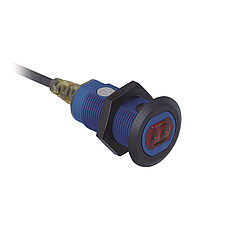
M18 plastic diffuse sensor, 500 mm, 2 m cable
M18 plastic diffuse sensor, 500 mm, 2 m cable
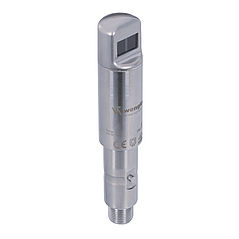
Hygienic InoxSens diffuse sensor 800 mm, IP69K
Hygienic InoxSens diffuse sensor 800 mm, IP69K
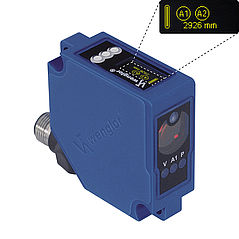
Distance sensor 50–3050 mm, analog and IO-Link, IP68
Distance sensor 50–3050 mm, analog and IO-Link, IP68
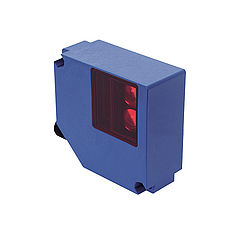
Light-band retro-reflex sensor, 4 m range, NO output
Light-band retro-reflex sensor, 4 m range, NO output
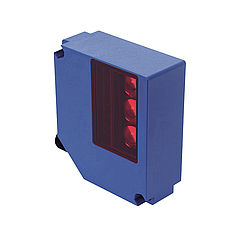
4 m light-band retro-reflex, reliable leading-edge detection
4 m light-band retro-reflex, reliable leading-edge detection
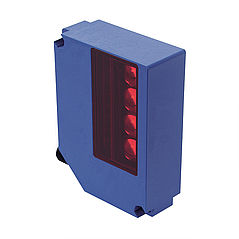
Retro-reflex sensor with light band for irregular objects
Retro-reflex sensor with light band for irregular objects
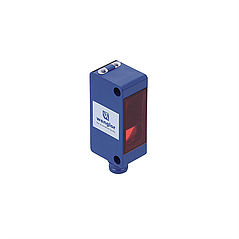
10 m laser through-beam, detects objects from 0.6 mm
10 m laser through-beam, detects objects from 0.6 mm
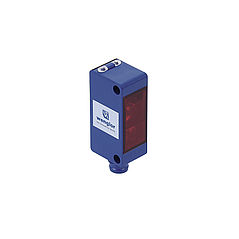
Mini retro-reflex sensor, 5 m, for fast glossy objects
Mini retro-reflex sensor, 5 m, for fast glossy objects
A photoelectric sensor, often called a photocell or photo eye, detects objects, positions and distances without contact by emitting light and evaluating what reaches its receiver. It works on almost any material, metal or not, and over much longer distances than an inductive sensor. Typical applications are conveyors, packaging machines, material handling, robot cells and assembly lines. SCN supplies photoelectric sensors from Wenglor.
The range covers diffuse sensors that detect the object directly, retro-reflex sensors that work with a reflector – including the P2KK001 for transparent objects such as glass and PET bottles – and through-beam sensors with separate emitter and receiver, such as P1KE and ZW600. For long distances or precise positioning there are P3PC laser sensors and high-performance distance sensors with time-of-flight measurement, listed under laser sensors for distance measurement, as well as P1XD fibre-optic amplifiers for tight spaces. For metal parts at short range, see inductive sensors; all sensor types are listed under Sensors.
How to choose: start with the object (size, colour, transparency, surface) and the distance. Then pick the principle: through-beam for the longest range, retro-reflex when a reflector can be mounted opposite, diffuse when only one side is accessible. Finally choose the light type (red light, infrared or laser), output and connection.
A photoelectric sensor emits red, infrared or laser light and switches its output when the amount of light reaching the receiver changes. In through-beam and retro-reflex sensors the object interrupts the beam; in a diffuse sensor the object itself reflects the light back. Because it reacts to light rather than metal, it detects almost any material, from millimetres up to tens of metres.
Choose through-beam for the longest range and most reliable detection, retro-reflex when a reflector can be mounted opposite the sensor, and diffuse when only one side is accessible. Through-beam sensors typically reach tens of metres, retro-reflex sensors several metres and diffuse sensors up to around a metre. Diffuse sensors with background suppression ignore objects behind the target.
Use a laser sensor when the object is small, the position must be precise or the beam has to pass a narrow gap, because the laser spot is small and sharp. A distance sensor measures how far away the object is, often by time of flight, and gives an analog or IO-Link value for level, stack height or positioning. See laser sensors for distance measurement.
Most industrial photoelectric sensors are 3- or 4-wire devices for 10–30 V DC with a PNP or NPN switching output, connected by cable or an M8/M12 connector. Typically brown is +24 V, blue is 0 V and black is the output. A light-on or dark-on setting decides whether the output switches when the beam is clear or interrupted, and many models also offer IO-Link.
Not sure which model you need?
Get help choosingFacts and advice that make the choice easier.
Photoelectric sensor types – how to choose the right oneIP ratings explained – IP65, IP67, IP68 and IP69KAll guides
If you have questions about our products the AI-assistant can help guide you to what you are searching for.


