
DMSS CANbus Magnetostrictive Position Linear Sensor
Magnetostrictive profile sensor, CANbus, 100–5000 mm
Magnetostrictive profile sensor, CANbus, 100–5000 mm
Magnetostrictive linear position sensors measure the absolute position of a magnet along a measuring rod without any mechanical contact. Because nothing wears, they offer high accuracy and a long service life, even with oil, dust and vibration. SCN supplies magnetostrictive linear position sensors (linear transducers) from Opkon in the DMSW and DMSS series, with SSI or a fieldbus such as CANopen, CANbus, EtherCAT, Modbus, Profibus and Profinet. They are used in hydraulic cylinders, mobile machinery, industrial automation and process equipment. Our engineers help you choose the right stroke length, interface, housing and mounting for your application.
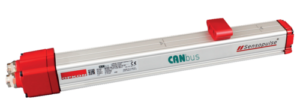
Magnetostrictive profile sensor, CANbus, 100–5000 mm
Magnetostrictive profile sensor, CANbus, 100–5000 mm
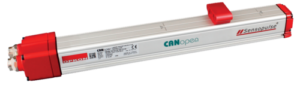
Magnetostrictive profile sensor, CANopen, 100–5000 mm
Magnetostrictive profile sensor, CANopen, 100–5000 mm
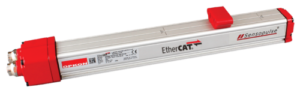
Magnetostrictive profile sensor, EtherCAT, 100–5000 mm
Magnetostrictive profile sensor, EtherCAT, 100–5000 mm
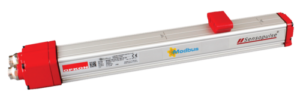
Magnetostrictive profile sensor, Modbus, 100–5000 mm
Magnetostrictive profile sensor, Modbus, 100–5000 mm
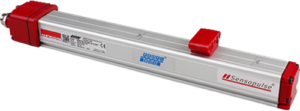
Magnetostrictive profile sensor, PROFIBUS, 100–5000 mm
Magnetostrictive profile sensor, PROFIBUS, 100–5000 mm
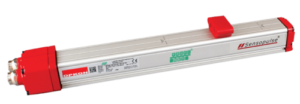
Magnetostrictive profile sensor, PROFINET, 100–5000 mm
Magnetostrictive profile sensor, PROFINET, 100–5000 mm
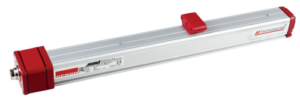
Magnetostrictive profile sensor, SSI, 100–5000 mm
Magnetostrictive profile sensor, SSI, 100–5000 mm
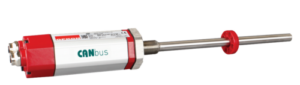
Magnetostrictive rod sensor, CANbus, 100–5000 mm
Magnetostrictive rod sensor, CANbus, 100–5000 mm
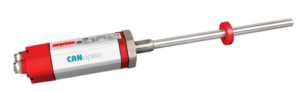
Magnetostrictive rod sensor, CANopen, 100–5000 mm
Magnetostrictive rod sensor, CANopen, 100–5000 mm
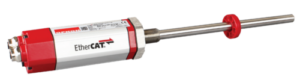
Magnetostrictive position sensor, EtherCAT, 100–5000 mm
Magnetostrictive position sensor, EtherCAT, 100–5000 mm
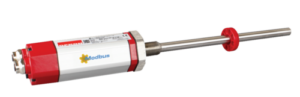
Magnetostrictive rod sensor, Modbus, 100–5000 mm
Magnetostrictive rod sensor, Modbus, 100–5000 mm
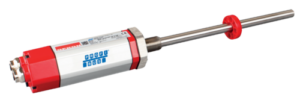
Magnetostrictive rod sensor, PROFIBUS, 100–5000 mm
Magnetostrictive rod sensor, PROFIBUS, 100–5000 mm
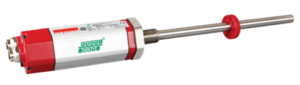
Magnetostrictive rod sensor, PROFINET, 100–5000 mm
Magnetostrictive rod sensor, PROFINET, 100–5000 mm
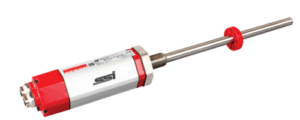
Magnetostrictive rod sensor, SSI, 100–5000 mm
Magnetostrictive rod sensor, SSI, 100–5000 mm
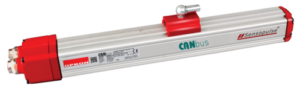
Magnetostrictive profile sensor, CANbus, 100–5000 mm
Magnetostrictive profile sensor, CANbus, 100–5000 mm
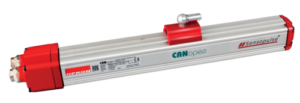
Magnetostrictive profile sensor, CANopen, 100–5000 mm
Magnetostrictive profile sensor, CANopen, 100–5000 mm
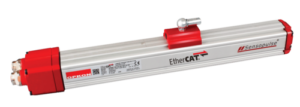
Magnetostrictive profile sensor, EtherCAT, 100–5000 mm
Magnetostrictive profile sensor, EtherCAT, 100–5000 mm
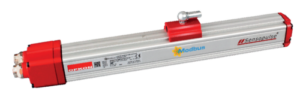
Magnetostrictive profile sensor, Modbus, 100–5000 mm
Magnetostrictive profile sensor, Modbus, 100–5000 mm
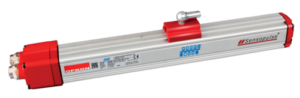
Magnetostrictive profile sensor, PROFIBUS, 100–5000 mm
Magnetostrictive profile sensor, PROFIBUS, 100–5000 mm
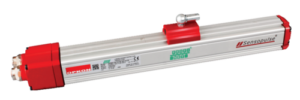
Magnetostrictive profile sensor, PROFINET, 100–5000 mm
Magnetostrictive profile sensor, PROFINET, 100–5000 mm
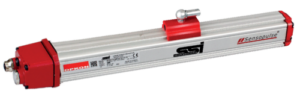
Magnetostrictive profile sensor, SSI, 100–5000 mm
Magnetostrictive profile sensor, SSI, 100–5000 mm
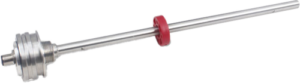
Magnetostrictive rod sensor, 50–3000 mm, 4–20 mA, IP67
Magnetostrictive rod sensor, 50–3000 mm, 4–20 mA, IP67

Magnetostrictive rod sensor, 50–3000 mm, alu or stainless
Magnetostrictive rod sensor, 50–3000 mm, alu or stainless
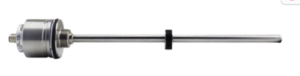
Magnetostrictive rod sensor, 50–3000 mm, stainless steel
Magnetostrictive rod sensor, 50–3000 mm, stainless steel
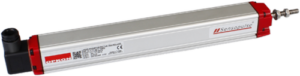
Analog magnetostrictive sensor, 50–1000 mm, 16-bit
Analog magnetostrictive sensor, 50–1000 mm, 16-bit
A magnetostrictive linear position sensor measures the absolute position of a moving position magnet along a measuring rod or profile without mechanical contact. Because nothing touches or wears, the sensor keeps its accuracy over millions of cycles in oil, dust and vibration. It is used on hydraulic cylinders, presses, injection moulding machines, sawmills and packaging machines. SCN supplies magnetostrictive linear position sensors from Opkon.
The range covers stroke lengths from 50 to 5,000 mm, profile and rod housings in aluminium or stainless steel, IP65 or IP67 protection and a 24 VDC supply. The analogue series MSW, MST, MSS, MSR and MSP give 4–20 mA or 0–10 V, while the DMSW, DMST and DMSS series output SSI, CANopen, CANbus, Modbus, Profibus, Profinet or EtherCAT. Versions for vehicles and mobile hydraulics are under linear position sensors for mobile applications. For long travel with a magnetic tape, see incremental linear position sensors; all sensor types are under Sensors.
How to choose: start with the stroke length and whether the sensor sits inside a hydraulic cylinder (rod) or outside on the machine (profile). Then choose the output your controller reads, the accuracy you need and the connection: M8, M12 or cable.
The electronics send a current pulse along a magnetostrictive waveguide. Where the pulse meets the field of the position magnet, a torsional strain wave is created that travels back to the sensor head at a known speed. The time of flight gives the absolute position, so no reference run is needed after power-up and nothing in the measurement wears.
A linear position sensor tells the controller exactly where a moving part is along a straight line. Typical uses are piston position in hydraulic cylinders, ram and table position on presses, mould position on injection moulding machines, saw and cutting positions and level measurement with a float. Magnetostrictive versions cover strokes from 50 mm up to 5 m.
Linearity is typically specified as a percentage of the measuring range: Opkon models in the range are specified at ±0.05 % or ±1 % of full scale, depending on the series. On a 1,000 mm stroke, ±0.05 % means ±0.5 mm. Resolution and repeatability are usually finer than the linearity figure, so the mechanics often set the real limit.
Choose the interface your controller already uses. 4–20 mA or 0–10 V suits a simple PLC input and one axis, SSI gives a fast absolute digital value for closed-loop motion, and CANopen, Profinet, EtherCAT or Modbus connect several sensors on one bus with diagnostics. The Opkon DMSW, DMST and DMSS series offer all of these.
Not sure which model you need?
Get help choosingFacts and advice that make the choice easier.
IP ratings explained – IP65, IP67, IP68 and IP69KAll guides
If you have questions about our products the AI-assistant can help guide you to what you are searching for.


