
ACS-080-2-AC00-HE3-PM Inclinometer
2-axis inclinometer ±80°, 4–20 mA, M12, IP67, 0.1° accuracy
2-axis inclinometer ±80°, 4–20 mA, M12, IP67, 0.1° accuracy
Inclination sensors, also called inclinometers, measure angle relative to gravity and are used to monitor the tilt and levelling of machines and equipment. SCN supplies inclination sensors from Posital in the ACS, ADS and AKS series, in a wide range of variants. They are used in mobile machinery, vehicles, lifting equipment and industrial automation. Our engineers help you choose the right measuring range, number of axes, interface and connector for your application.
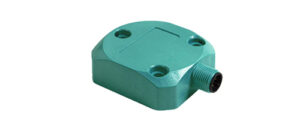
2-axis inclinometer ±80°, 4–20 mA, M12, IP67, 0.1° accuracy
2-axis inclinometer ±80°, 4–20 mA, M12, IP67, 0.1° accuracy
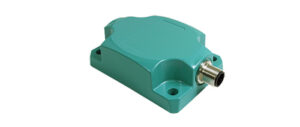
2-axis inclinometer ±80°, 4–20 mA, M12, IP69K, 0.1° accuracy
2-axis inclinometer ±80°, 4–20 mA, M12, IP69K, 0.1° accuracy
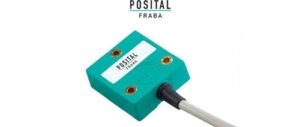
2-axis inclinometer ±80°, J1939, 2 m cable, IP66/IP67
2-axis inclinometer ±80°, J1939, 2 m cable, IP66/IP67
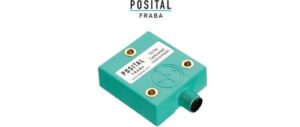
2-axis inclinometer ±80°, J1939, M12 connector, IP66/IP67
2-axis inclinometer ±80°, J1939, M12 connector, IP66/IP67
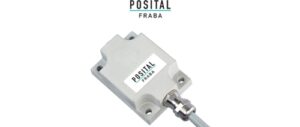
2-axis inclinometer ±80°, J1939, 2 m cable, IP68/IP69
2-axis inclinometer ±80°, J1939, 2 m cable, IP68/IP69
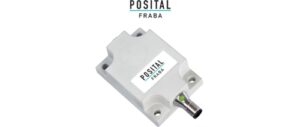
2-axis inclinometer ±80°, J1939, M12 connector, IP68/IP69
2-axis inclinometer ±80°, J1939, M12 connector, IP68/IP69
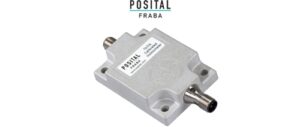
2-axis inclinometer ±80°, J1939, 2× M12, IP68/IP69
2-axis inclinometer ±80°, J1939, 2× M12, IP68/IP69
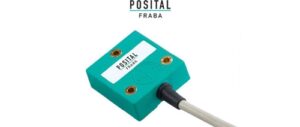
2-axis inclinometer ±80°, CANopen, 2 m cable, IP66/IP67
2-axis inclinometer ±80°, CANopen, 2 m cable, IP66/IP67
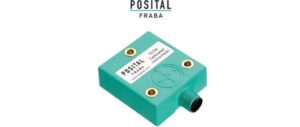
2-axis inclinometer ±80°, CANopen, M12, IP66/IP67
2-axis inclinometer ±80°, CANopen, M12, IP66/IP67
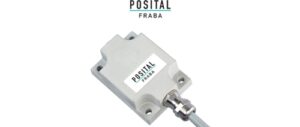
2-axis inclinometer ±80°, CANopen, 2 m cable, IP68/IP69
2-axis inclinometer ±80°, CANopen, 2 m cable, IP68/IP69
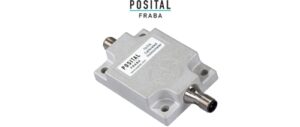
2-axis inclinometer ±80°, CANopen, 2× M12, IP68/IP69
2-axis inclinometer ±80°, CANopen, 2× M12, IP68/IP69
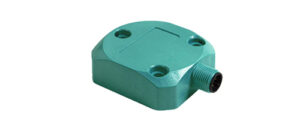
2-axis inclinometer ±90°, CANopen, M12, IP67, 0.1° accuracy
2-axis inclinometer ±90°, CANopen, M12, IP67, 0.1° accuracy
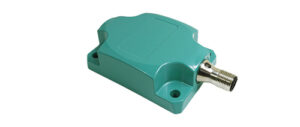
2-axis inclinometer ±90°, CANopen, M12, IP69, 0.1° accuracy
2-axis inclinometer ±90°, CANopen, M12, IP69, 0.1° accuracy
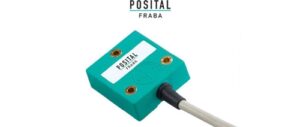
1-axis inclinometer 180°, 0–10 V/RS232, 2 m cable, IP66/IP67
1-axis inclinometer 180°, 0–10 V/RS232, 2 m cable, IP66/IP67
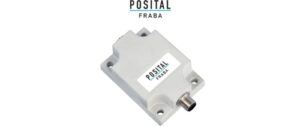
1-axis inclinometer 180°, 0–10 V/RS232, M12, IP68/IP69K
1-axis inclinometer 180°, 0–10 V/RS232, M12, IP68/IP69K
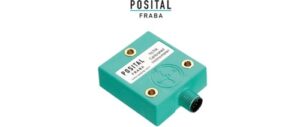
1-axis inclinometer 180°, 0.5–9.5 V/RS232, M12, IP66/IP67
1-axis inclinometer 180°, 0.5–9.5 V/RS232, M12, IP66/IP67
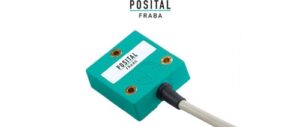
1-axis inclinometer 360°, J1939, 2 m cable, IP66/IP67
1-axis inclinometer 360°, J1939, 2 m cable, IP66/IP67
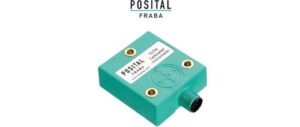
1-axis inclinometer 360°, J1939, M12 connector, IP66/IP67
1-axis inclinometer 360°, J1939, M12 connector, IP66/IP67
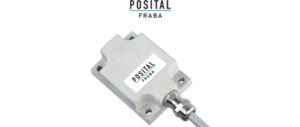
1-axis inclinometer 360°, J1939, 2 m cable, IP68/IP69
1-axis inclinometer 360°, J1939, 2 m cable, IP68/IP69
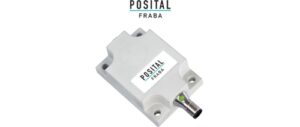
1-axis inclinometer 360°, J1939, M12 connector, IP68/IP69
1-axis inclinometer 360°, J1939, M12 connector, IP68/IP69
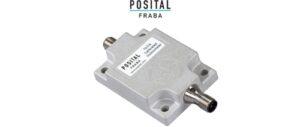
1-axis inclinometer 360°, J1939, 2× M12, IP68/IP69
1-axis inclinometer 360°, J1939, 2× M12, IP68/IP69
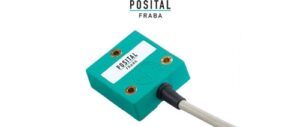
1-axis inclinometer 360°, CANopen, 2 m cable, IP66/IP67
1-axis inclinometer 360°, CANopen, 2 m cable, IP66/IP67
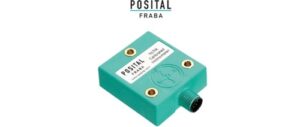
1-axis inclinometer 360°, CANopen, M12, IP66/IP67
1-axis inclinometer 360°, CANopen, M12, IP66/IP67
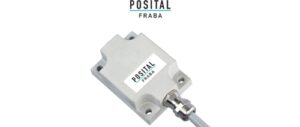
1-axis inclinometer 360°, CANopen, 2 m cable, IP68/IP69
1-axis inclinometer 360°, CANopen, 2 m cable, IP68/IP69
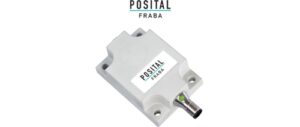
1-axis inclinometer 360°, CANopen, M12, IP68/IP69
1-axis inclinometer 360°, CANopen, M12, IP68/IP69
An inclination sensor, or inclinometer, measures the angle of an object relative to gravity in one or two axes. It is used to level and monitor cranes, booms, aerial work platforms, construction and agricultural machinery, solar trackers and wind turbines. Electronic inclinometers measure with a MEMS accelerometer and deliver the angle as an analog signal or over a fieldbus, without moving parts. SCN supplies inclinometers from Posital and Gemac.
Posital ADS sensors give 0.5–4.5 V or 4–20 mA for one axis up to 360° or two axes from ±10° to ±80°. The ACS series adds CANopen, SAE J1939, SSI and 0–10 V/RS232 versions with accuracy down to 0.1°, and the AKS series are dynamic inclinometers with CANopen. Gemac MOTUS sensors combine accelerometer and gyroscope with sensor fusion, as dynamic inclinometers and 6-axis IMUs for CAN and J1939. Housings are rated up to IP68/IP69K. Sensors for vehicles and mobile machinery are also listed under inclination sensors for mobile applications. For angle on a rotating shaft, see absolute rotary encoders; all sensor types are under Sensors.
How to choose: start with the number of axes and the measuring range, then decide whether the machine stands still or moves while you measure. Finally choose the interface your controller expects, the accuracy and the connection, M12 or cable.
An inclinometer measures how much a machine, structure or surface is tilted relative to the horizontal. Typical uses are levelling mobile cranes and aerial work platforms, boom and bucket angle on excavators, tracking angle on solar panels, tower monitoring on wind turbines and tilt alarms that stop a machine before it tips over.
An electronic inclinometer measures the direction of gravity with a MEMS accelerometer and calculates the angle from it. When the sensor is still, the reading is very stable – the best Posital ACS and Gemac MOTUS models reach ±0.1°. Dynamic inclinometers add a gyroscope and a filter, such as a Kalman filter, so that acceleration from movement is not read as tilt.
Choose a static inclinometer when the machine stands still while you measure, for example levelling before a crane lifts. Choose a dynamic inclinometer or IMU when you measure while driving, slewing or vibrating, because a plain accelerometer then shows false angles. Posital AKS and Gemac MOTUS are dynamic; the MOTUS NC holds ±0.25° in motion.
Choose the interface your controller already uses. 4–20 mA or 0.5–4.5 V suits simple PLC inputs and long cables, CANopen is common on industrial machines with several sensors on one bus, and SAE J1939 is the standard on vehicles and mobile machinery. SSI suits precise single-axis positioning.
Not sure which model you need?
Get help choosingFacts and advice that make the choice easier.
Inclinometer sensors for mobile machines – static or dynamic?IP ratings explained – IP65, IP67, IP68 and IP69KAll guides
If you have questions about our products the AI-assistant can help guide you to what you are searching for.


