
A660 – 24+4 Port 19” Managed Ethernet Switch
1U 19″ managed Gigabit Ethernet switch, 24+4 ports
1U 19″ managed Gigabit Ethernet switch, 24+4 ports
Ethernet switches connect devices in an Ethernet network and forward the data traffic between them. SCN supplies industrial Ethernet switches from Moxa, Indu-Sol and Aitech, including managed switches in the Moxa EDS and ICS-G series, unmanaged switches, PROmesh diagnostic switches from Indu-Sol, rugged switches for military systems and switches for Time-Sensitive Networking (TSN). They are used in industrial automation, machine building, infrastructure, and defence and vehicle systems. Our engineers help you choose the right port count, speed, management functions and mounting for your application.

1U 19″ managed Gigabit Ethernet switch, 24+4 ports
1U 19″ managed Gigabit Ethernet switch, 24+4 ports

Rugged managed Gigabit Ethernet switch, 48 ports
Rugged managed Gigabit Ethernet switch, 48 ports

6U CompactPCI managed Gigabit Ethernet switch, 24 ports
6U CompactPCI managed Gigabit Ethernet switch, 24 ports

6U VPX managed Gigabit Ethernet switch, 24 ports
6U VPX managed Gigabit Ethernet switch, 24 ports

3U VPX managed Gigabit Ethernet switch, 24 ports
3U VPX managed Gigabit Ethernet switch, 24 ports

3U VPX unmanaged Gigabit Ethernet switch, 10 ports
3U VPX unmanaged Gigabit Ethernet switch, 10 ports

3U VPX managed GbE and PCIe switch, 8 GbE ports
3U VPX managed GbE and PCIe switch, 8 GbE ports

3U VPX unmanaged GbE and PCIe switch, 8 GbE ports
3U VPX unmanaged GbE and PCIe switch, 8 GbE ports

3U VPX PCIe switch, up to 8x PCIe x4 ports
3U VPX PCIe switch, up to 8x PCIe x4 ports
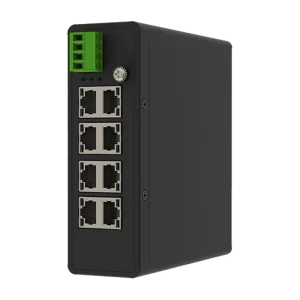
Marine Ethernet switch, 8 ports, 12-48 VDC
Marine Ethernet switch, 8 ports, 12-48 VDC
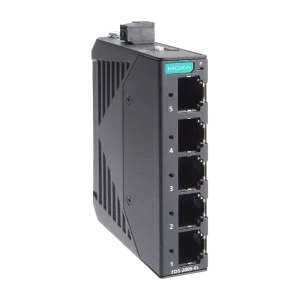
5-port unmanaged switch, IP40 metal, PROFINET Class A
5-port unmanaged switch, IP40 metal, PROFINET Class A

5-port entry-level unmanaged switch, plastic, QoS
5-port entry-level unmanaged switch, plastic, QoS
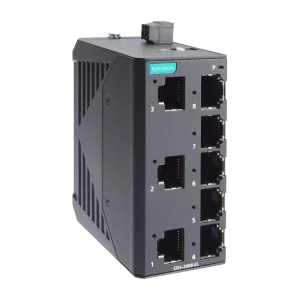
8-port unmanaged switch, fiber option, IP40 metal
8-port unmanaged switch, fiber option, IP40 metal
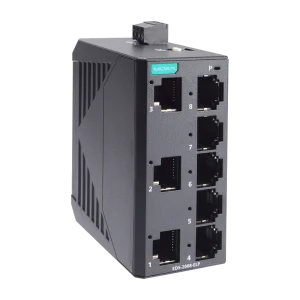
8-port unmanaged switch, IP40 plastic housing, -10–60°C
8-port unmanaged switch, IP40 plastic housing, -10–60°C
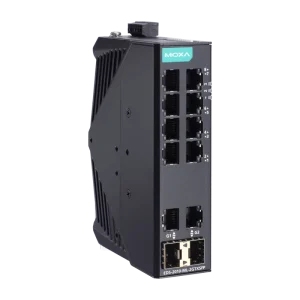
10-port unmanaged switch with 2 gigabit combo uplinks
10-port unmanaged switch with 2 gigabit combo uplinks
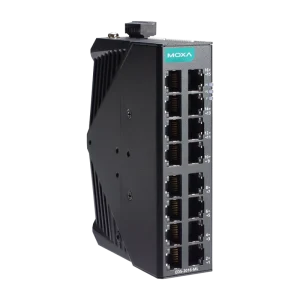
16-port unmanaged switch, optional 100BaseFX fiber, IP30
16-port unmanaged switch, optional 100BaseFX fiber, IP30
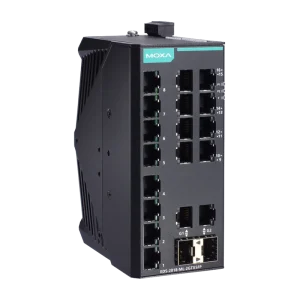
18-port unmanaged switch with 2 gigabit combo uplinks
18-port unmanaged switch with 2 gigabit combo uplinks
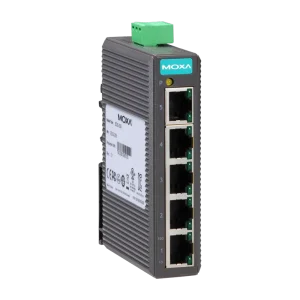
5-port entry-level switch, 12/24/48 V DC or 24 V AC
5-port entry-level switch, 12/24/48 V DC or 24 V AC
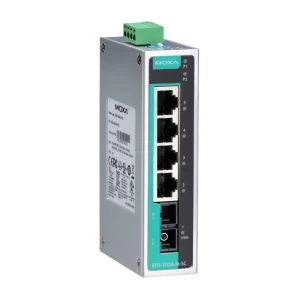
5-port unmanaged switch, fiber option, redundant power
5-port unmanaged switch, fiber option, redundant power
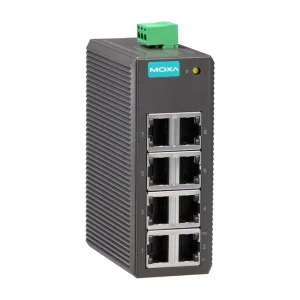
8-port entry-level switch, multi-mode fiber option, IP30
8-port entry-level switch, multi-mode fiber option, IP30
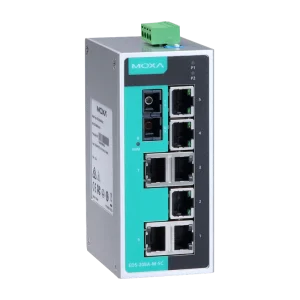
8-port unmanaged switch, up to 2 fiber, ATEX Zone 2
8-port unmanaged switch, up to 2 fiber, ATEX Zone 2
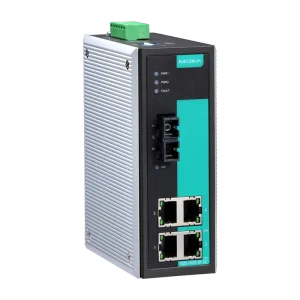
5-port unmanaged switch, relay alarm, fiber up to 80 km
5-port unmanaged switch, relay alarm, fiber up to 80 km
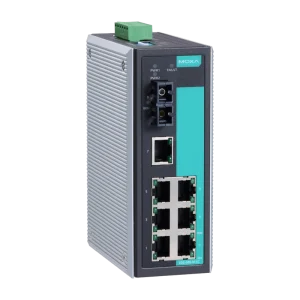
8-port unmanaged switch, relay alarm, fiber up to 80 km
8-port unmanaged switch, relay alarm, fiber up to 80 km
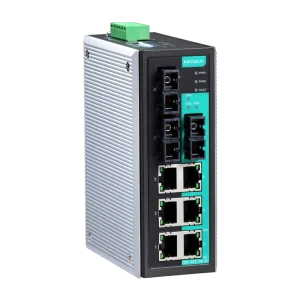
9-port unmanaged switch with 3 multi-mode fiber ports
9-port unmanaged switch with 3 multi-mode fiber ports
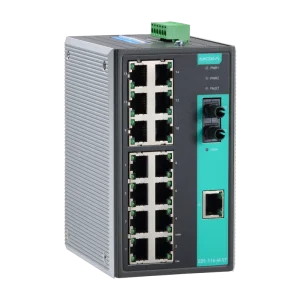
16-port unmanaged switch, relay alarm, fiber up to 80 km
16-port unmanaged switch, relay alarm, fiber up to 80 km
An industrial Ethernet switch connects PLCs, I/O, HMIs, drives, cameras and computers in one network and forwards traffic between them. Unlike an office switch it mounts on a DIN rail, runs on 12–48 V DC, has no fan and is built for wide temperatures, vibration and electrical noise. SCN supplies industrial switches from Moxa, Indu-Sol, Axiomtek and ORing, plus TSN products.
Managed switches include the Moxa EDS, ICS-G and IKS series, modular MDS-G4000 and RKS rack switches up to 10GbE, PT switches for substations to IEC 61850-3, TN M12 switches for rail to EN 50155, SDS smart switches with PROFINET and EtherNet/IP, and Indu-Sol PROmesh diagnostic switches for PROFINET. Unmanaged switches range from 5 to 18 ports, with fiber, PoE+ or ATEX Zone 2 on some models. MIL Ethernet switches are built for military vehicles and platforms, and Time-Sensitive Networking covers Moxa TSN-G5000 switches and TSN test and analysis tools. Serial servers, gateways and wireless are under Network Products.
How to choose: count the ports and the speed you need, decide managed or unmanaged, check the PoE budget and fiber distances, then match temperature range, IP rating and any rail, substation or hazardous area approval.
A managed switch is a switch you can configure and monitor over the network, whereas an unmanaged switch simply forwards traffic. It offers VLANs to separate machine and office traffic, QoS to prioritise control data, ring redundancy such as Moxa Turbo Ring with recovery under 20 ms, SNMP monitoring and port security, and often PROFINET or EtherNet/IP so the PLC can read diagnostics.
An unmanaged switch is enough for a small, isolated machine network where a few I/O modules, drives and an HMI just need to be connected. Choose a managed switch when the network links to other networks or needs redundancy, VLANs, security settings or remote diagnostics. Smart switches such as the Moxa SDS-3008 are a middle ground with PROFINET and basic management.
An industrial switch is built for the control cabinet and the field rather than the office: DIN rail mounting, redundant 12–48 V DC inputs, fanless design and operating temperatures typically from -40 to 75 °C. Many models also carry approvals such as EN 50155 for rail, IEC 61850-3 for substations or ATEX Zone 2, and some have M12 connectors and IP67 for use outside the cabinet.
A PoE switch supplies up to 15.4 W per port with IEEE 802.3af, 30 W with PoE+ 802.3at and 60 or 90 W with 802.3bt. The switch's total PoE budget also limits how many ports can run at full power: the Moxa EDS-P206A-4PoE delivers 4×30 W with 120 W in total, while the EDS-G4012 supports 90 W ports for cameras and access points.
Not sure which model you need?
Get help choosingFacts and advice that make the choice easier.
IP ratings explained – IP65, IP67, IP68 and IP69KIndustrial Ethernet protocols – PROFINET, EtherNet/IP, ModbusFiber media converter – how to choose the right oneAll guides
If you have questions about our products the AI-assistant can help guide you to what you are searching for.


