
401 Pressure sensor
Sensitive differential pressure sensor, 0–100 mbar, 0–5 V
Sensitive differential pressure sensor, 0–100 mbar, 0–5 V
Pressure sensors and pressure transmitters convert the pressure of liquids or gases into an electrical signal for measurement, monitoring and control. SCN supplies pressure sensors from Huba Control in series such as 403, 512, 604, 630 and 664, pressure sensors for mobile machinery and mechanical pressure switches for gauge, absolute and differential pressure. They are used in industrial automation, hydraulics and pneumatics, HVAC, compressors and pumps, and vehicles. Our engineers help you choose the right pressure range, pressure type, output signal and process connection for your application.
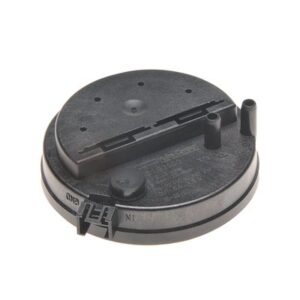
Sensitive differential pressure sensor, 0–100 mbar, 0–5 V
Sensitive differential pressure sensor, 0–100 mbar, 0–5 V
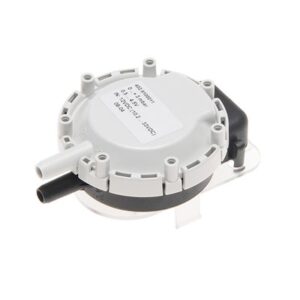
Differential pressure sensor for fine air flow, 0–100 mbar
Differential pressure sensor for fine air flow, 0–100 mbar
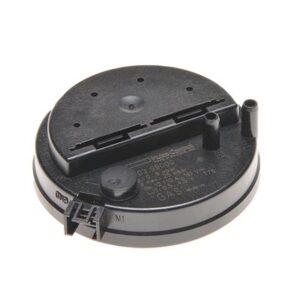
Differential pressure sensor 0–100 mbar, amplified 0–5 V
Differential pressure sensor 0–100 mbar, amplified 0–5 V
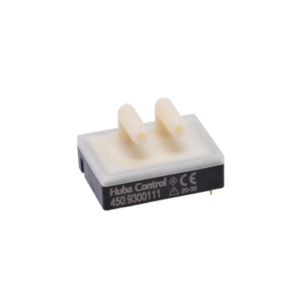
PCB differential pressure sensor, analog and I2C output
PCB differential pressure sensor, analog and I2C output
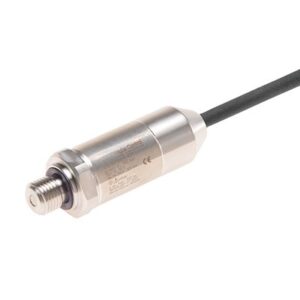
Pressure transmitter 0–1000 bar, IP69K, mobile hydraulics
Pressure transmitter 0–1000 bar, IP69K, mobile hydraulics
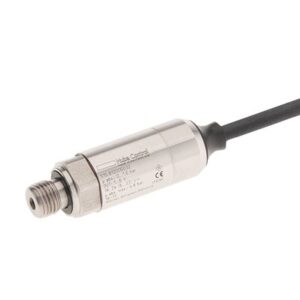
Rugged pressure transmitter up to 600 bar, IP69K, cable
Rugged pressure transmitter up to 600 bar, IP69K, cable
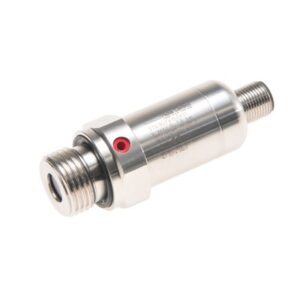
Flush diaphragm pressure transmitter 0–60 bar, IP67
Flush diaphragm pressure transmitter 0–60 bar, IP67
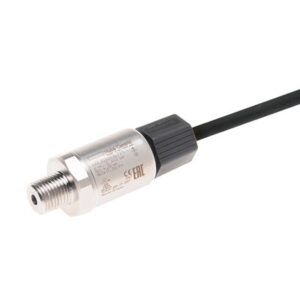
Pressure sensor up to 1000 bar, for all refrigerants
Pressure sensor up to 1000 bar, for all refrigerants
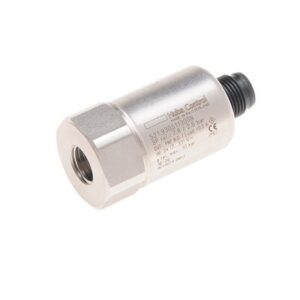
Pressure switch 0–600 bar, NC/NO, stainless steel, IP67
Pressure switch 0–600 bar, NC/NO, stainless steel, IP67
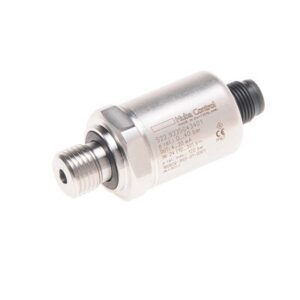
Marine pressure transmitter 0–1000 bar, 4–20 mA or 0–10 V
Marine pressure transmitter 0–1000 bar, 4–20 mA or 0–10 V
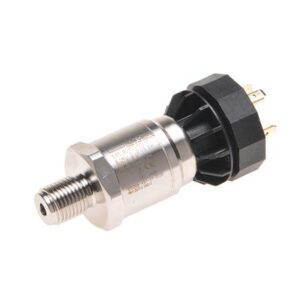
Ceramic pressure transmitter, high accuracy, from 50 mbar
Ceramic pressure transmitter, high accuracy, from 50 mbar
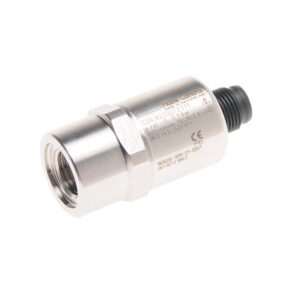
Ratiometric ceramic OEM transmitter, from 100 mbar
Ratiometric ceramic OEM transmitter, from 100 mbar
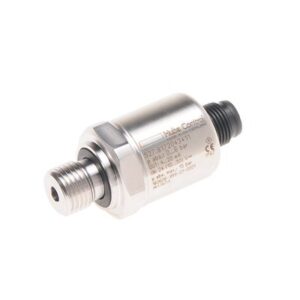
Ceramic pressure transmitter 0–60 bar, industry and marine
Ceramic pressure transmitter 0–60 bar, industry and marine
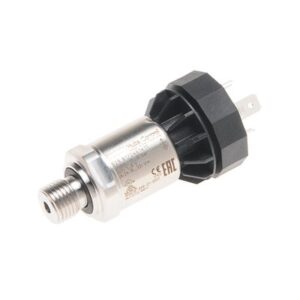
Ceramic pressure transmitter -1–60 bar with ATEX approval
Ceramic pressure transmitter -1–60 bar with ATEX approval
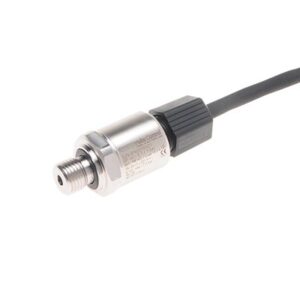
Ceramic pressure switch -1–60 bar, NC/NO, IP67
Ceramic pressure switch -1–60 bar, NC/NO, IP67
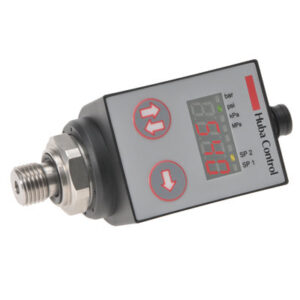
Programmable transmitter 0–600 bar with 2 switch points
Programmable transmitter 0–600 bar with 2 switch points
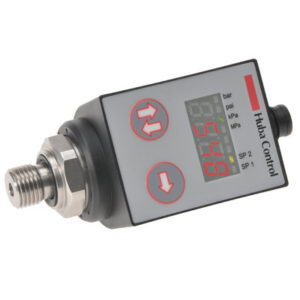
Programmable transmitter -1–40 bar with 4-digit LED display
Programmable transmitter -1–40 bar with 4-digit LED display
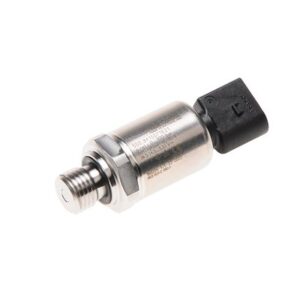
Mobile hydraulics transmitter 0–600 bar, IP67/IP69K
Mobile hydraulics transmitter 0–600 bar, IP67/IP69K
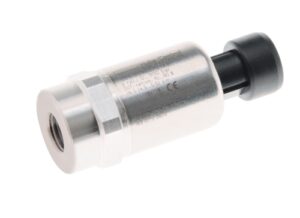
Hydrogen pressure transmitter 0–900 bar, EC79 approved
Hydrogen pressure transmitter 0–900 bar, EC79 approved
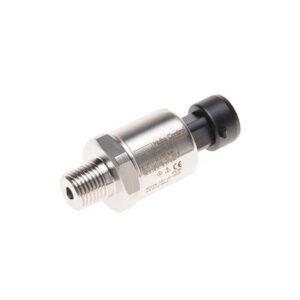
Ceramic vehicle transmitter 0–60 bar, IP69K, ISO 16750
Ceramic vehicle transmitter 0–60 bar, IP69K, ISO 16750
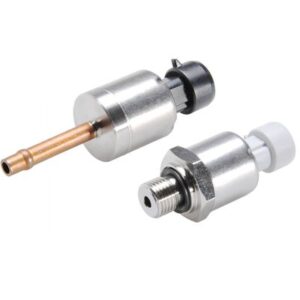
Stainless sensor for refrigerants ammonia, CO₂ and A3
Stainless sensor for refrigerants ammonia, CO₂ and A3
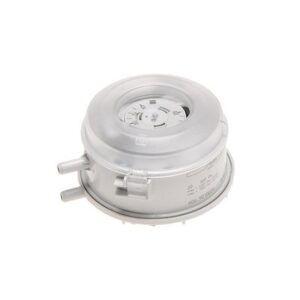
Differential pressure switch for filter and fan monitoring
Differential pressure switch for filter and fan monitoring
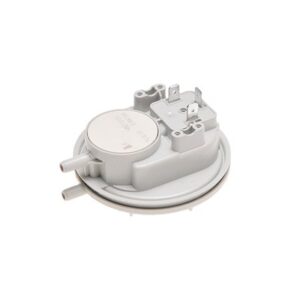
Differential pressure switch for gas-fired heating systems
Differential pressure switch for gas-fired heating systems
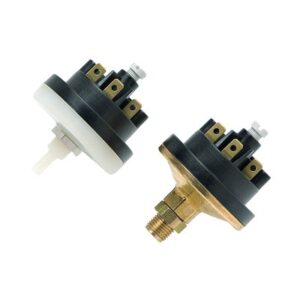
Pressure switches for liquids and gases, 13 pressure ranges
Pressure switches for liquids and gases, 13 pressure ranges
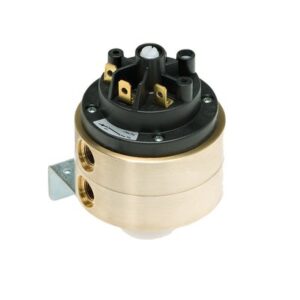
Differential pressure switch 0–16 bar for liquids and gases
Differential pressure switch 0–16 bar for liquids and gases
A pressure sensor measures the pressure of a liquid or gas and converts it into an electrical signal. In a pressure transmitter, also called a pressure transducer, built-in electronics turn that signal into a standard output such as 4–20 mA or 0–10 V, so a PLC or controller can read it directly. SCN supplies pressure transmitters and pressure switches from Huba Control, Sensata and Precision Sensors for hydraulics and pneumatics, compressors and pumps, refrigeration and HVAC, marine use and mobile machinery.
The range covers ceramic and piezoresistive transmitters from 50 mbar up to 1000 bar, sensitive differential pressure sensors from 0–100 mbar for air flow and filter monitoring, and models with ATEX approval, for refrigerants including ammonia and CO₂, and for hydrogen up to 900 bar. Rugged IP69K transmitters for work machines are found under pressure sensors for mobile machinery. If you need an on/off signal at a set pressure rather than a measured value, see pressure switches for gauge, absolute, differential and vacuum pressure. All sensor types are listed under Sensors.
How to choose: start with the medium and the pressure range – the normal working pressure should sit well inside the range, with margin for pressure peaks. Then choose the pressure type (gauge, absolute or differential), output signal, process connection and electrical connector. Finally check accuracy, temperature range, IP rating and the approvals your application requires, such as ATEX.
A pressure transmitter measures how much a thin diaphragm deflects under pressure and converts that into a standard electrical signal. In ceramic sensors the deflection changes a capacitance or a thick-film resistor bridge; in piezoresistive sensors it changes the resistance of silicon strain gauges. Built-in electronics compensate for temperature and output 4–20 mA, 0–10 V or a digital value such as Modbus RTU or I2C.
A pressure switch gives an on/off signal when the pressure passes a set point, while a pressure transmitter outputs a continuous value across its whole range. Switches start and stop compressors and pumps or raise an alarm on filter and fan pressure; transmitters are used when the controller needs the actual pressure. Programmable transmitters such as Huba Control 540 combine both, with two switch points.
Gauge pressure is measured relative to the surrounding atmosphere and suits most hydraulic, pneumatic and water applications. Absolute pressure is measured against a vacuum and is used when the reading must not change with weather or altitude, for example in vacuum processes. Differential pressure is the difference between two ports and is used to monitor filters, fans and air flow in HVAC.
4–20 mA is the safest choice for long cables and electrically noisy environments, because a current signal is not affected by cable resistance and 0 mA reveals a broken wire. 0–10 V is simple and common in HVAC controllers over short distances. Ratiometric voltage outputs suit OEM electronics and vehicles, and Modbus RTU or I2C deliver a digital value directly.
Not sure which model you need?
Get help choosingFacts and advice that make the choice easier.
Pressure transducer vs transmitter vs switch – how to chooseIP ratings explained – IP65, IP67, IP68 and IP69KAll guides
If you have questions about our products the AI-assistant can help guide you to what you are searching for.


